
A long-haul flight can be the most grueling part of any international adventure. Whether you are flying from New York to Tokyo, London to Sydney, or Los Angeles to Dubai, spending 10, 14, or even 18 hours in a pressurized metal tube at 35,000 feet takes a toll on your body and mind. The difference between arriving at your destination feeling refreshed and ready to explore versus feeling like you have been hit by a truck comes down to one thing: preparation.
This comprehensive guide covers the long-haul flight essentials you need to pack in your carry-on. From sleep aids and hydration hacks to tech gadgets and health necessities, we have consulted travel experts, sleep specialists, and frequent fliers to compile the definitive list of long-haul flight essentials for 2026. Whether you are a seasoned digital nomad or a first-time international traveler, these items will help you survive—and even enjoy—your next long journey.
The Science of Comfort: Why Preparation Matters
Before diving into the packing list, it is worth understanding why long-haul flights are so physically demanding. Cabin air typically has a humidity range of just 10% to 20%, which is drier than most deserts. This extremely low humidity, combined with lower cabin pressure, accelerates insensible water loss through breathing and skin. The result is dehydration, fatigue, and dry skin that can make you feel miserable before you even land.
Furthermore, prolonged immobility in a cramped seat interferes with normal venous blood flow in your legs, increasing the risk of deep vein thrombosis (DVT), a type of blood clot that can become dangerous if it travels to your lungs. Add in the disruption of your circadian rhythm—your body’s 24-hour internal clock—and you have a recipe for jet lag that can ruin the first few days of your trip.
The good news is that all of these issues are manageable with the right preparation. By packing strategically and adopting a few simple habits, you can mitigate the worst effects of long-haul travel and arrive at your destination ready to hit the ground running.
Sleep and Rest Essentials: Your In-Flight Bedroom Kit
Sleeping on a plane is notoriously difficult, but it is not impossible. According to sleep specialists, the key is to create an environment that signals to your brain that it is time to rest, even at 35,000 feet. It helps to close out the world around you as much as possible, says Dr. Virginia Skiba, a sleep specialist at Henry Ford Health.
A High-Quality Eye Mask
Light is the strongest single signal your body clock reads. The glow from seat-back screens, overhead reading lights, and the sunrise through the window can all disrupt your ability to fall asleep and stay asleep. A good eye mask is not just a luxury—it is a necessity. Travel experts recommend upgrading to a larger satin or memory foam mask that provides complete blackout. One frequent flier noted that after upgrading her eye mask, it took both a flight attendant and her husband to wake her up on a return flight from Fiji.
Noise-Cancelling Headphones or Earplugs
The constant drone of the engines, the clatter of the beverage cart, and the chatter of fellow passengers can make sleep nearly impossible. Noise-cancelling headphones are a godsend for drowning out cabin noise, allowing you to create a bubble of calm. For sudden human noises like a crying baby, earplugs often work better than noise-cancelling headphones, which are designed for constant low-frequency sounds. Many frequent fliers carry both.
A Supportive Neck Pillow
The few inches of recline in economy seats do not go far. A firm travel pillow made from memory foam provides support for your neck and prevents your head from bobbing forward, which can cause you to wake up with a stiff neck. Some travel experts suggest placing the cushion in the small of your back rather than behind your head for lumbar support, which prevents you from sliding down the seat during the night.
A Lightweight Blanket or Scarf
Cabin temperatures can fluctuate dramatically during a long flight. Even if the cabin feels warm when you board, it will likely get colder overnight. A lightweight but warm scarf or a compact travel blanket can double as a pillow or an extra layer when the air conditioning kicks in. One travel expert recommends an alpaca scarf that is lightweight but warm and still looks elegant if you need a layer upon arrival.
Comfortable Clothing and Compression Socks
Dress in layers and choose loose-fitting, comfortable clothing. Slip-on shoes are ideal for security and for slipping off on the plane in favor of cozy socks. Compression socks are a must for long-haul flights. They improve circulation, prevent swelling, and reduce the risk of DVT. For an extra tip, loosen your shoelaces before falling asleep. Keeping shoelaces too tight for an extended period can compress nerves and restrict blood circulation to your feet, causing them to fall asleep and wake you up.
Hydration and Nutrition: Combating the Dry Cabin Air
The dry air in an airplane cabin can leave you feeling parched, fatigued, and susceptible to illness. Staying hydrated is one of the most important things you can do on a long-haul flight.
A Reusable Water Bottle
Bring an empty reusable water bottle through security and fill it up after the checkpoint. Sipping water steadily throughout the flight is your best defense against dehydration. Aim to drink about 300 milliliters of water per hour during the flight. Avoid alcohol and caffeine, which can promote fluid loss and disrupt sleep.
Electrolyte Tablets or Powder
Flight air can deplete not just water but also vital minerals. Carrying electrolyte tablets or powder is a smart way to quickly restore your body’s balance without added sugars. This is especially important if you are flying for more than 10 hours or if you are prone to feeling lightheaded.
A Dry-Air Survival Kit
This is what one frequent flier calls the items that make the dry cabin air bearable: lozenges for your throat, a small tube of skin cream, eye drops, and saline nasal spray. Lip balm with natural oils is also essential to keep your lips from cracking. A hydrating face mist can deliver an instant boost of hydration to your skin and revitalize your senses.
Healthy Snacks
Airline meals are often high in salt and served at times that do not align with your body’s hunger cues. Packing nutrient-dense, non-perishable snacks can help you avoid hunger-related wakeups and digestive discomfort. Good options include almonds, granola bars, and water-rich fruits like oranges or grapes. Avoid salty snacks like crisps, which can worsen dehydration and swelling.
Health and Hygiene: Staying Well at 35,000 Feet
Air travel requires spending extended periods in proximity to other travelers and increased exposure to shared surfaces. While most transmission occurs through close contact with infected passengers rather than through cabin air, the dry cabin air can compromise mucosal defenses and increase susceptibility when hygiene is not optimal.
A Travel First-Aid Kit
Your carry-on should include a small first-aid kit with painkillers, antihistamines, motion sickness pills, and any personal medication you might need. Keep medications in your liquids bag so they are easy to find and accessible when you need them. If you are traveling to a developing country, consider adding diarrhea medication and a basic antibiotic prescribed by your doctor.
Disinfectant Wipes and Hand Sanitizer
The tray table, armrests, and seat-back pockets are among the most germ-laden surfaces on an aircraft. Pack a few disinfectant wipes to clean down your seating area before you settle in. Hand sanitizer is also essential, especially before eating.
Toothbrush and Toothpaste
I cannot stress how much more human you feel once you have brushed your teeth, says one travel expert. A quick trip to the lavatory to brush your teeth and wash your face can make you feel significantly more refreshed, especially toward the end of a long flight.
Melatonin (with Caution)
Melatonin, a hormone supplement, may help decrease jet lag by resetting your body’s internal clock. If you will be in flight during the bedtime of your destination, some health authorities suggest taking a low dose (3 to 5 milligrams) during that time and trying to sleep. However, Dr. Skiba cautions against taking melatonin as a sleep aid on the plane itself, recommending it instead after arrival. Taking a low dose of melatonin (0.5 to 3 milligrams) a couple of hours before bed may help shift your circadian rhythms, she says. Always consult your doctor before trying any new supplement, and never take sleeping pills for the first time on a flight.
Tech and Entertainment: Staying Charged and Entertained
Your phone is your map, your ticket, your translator, and your camera. Keeping it alive during a long-haul flight is non-negotiable.
A Portable Charger (Power Bank)
A portable charger is one of the most essential travel items, full stop. Between Google Maps, e-tickets, translation apps, and photographing every meal, your phone works hard on the road. A power bank means it keeps working too. Note that because portable chargers are a potential fire hazard, airlines only allow them in carry-on luggage, not in checked bags. Look for a power bank with a charge indicator so you know how much juice you have left.
A Universal Travel Adapter
Different countries have different outlets, and without an adapter, all your devices are effectively decorative. Look for a universal adapter with USB-C ports and USB outlets built in so you can charge multiple devices at once. Pack your adapter in your carry-on luggage—it will be a lifesaver if your checked luggage gets lost in transit.
Noise-Cancelling Headphones (Again)
Beyond sleep, noise-cancelling headphones are essential for entertainment. They let you listen to music, watch movies, or listen to audiobooks without cranking the volume to dangerous levels to drown out engine noise. They also signal to seatmates that you are not interested in conversation, which can be a blessing on a long flight.
An E-Reader or a Good Book
A long-haul flight is a great opportunity to catch up on your reading backlog. An e-reader can hold hundreds of books yet remains compact and lightweight. If you prefer physical books, bring one or two, but be mindful of weight and space. Downloading movies or podcasts to your devices before the flight is also a good idea, as in-flight Wi-Fi can be unreliable and expensive.
A Pen
This is a small but crucial item that many travelers forget. You will need a pen to fill out customs and landing forms before arrival. One traveler recounted a nightmare experience of not having a pen when landing forms were distributed and having to borrow one from a stranger in the security area. Do not let this be you.
Documents and Security: Keeping Your Valuables Safe
Losing your travel documents is the kind of drama that turns a great trip into a nightmare. These items keep your important documents safe and your airport experience seamless.
A Travel Wallet or Passport Holder
A travel wallet keeps your boarding pass, travel documents, passport, and cards in one organized spot, making them easy to access when you need them most. Look for one with RFID-blocking technology to protect your cards from unauthorized scanning.
Printed Copies of Important Documents
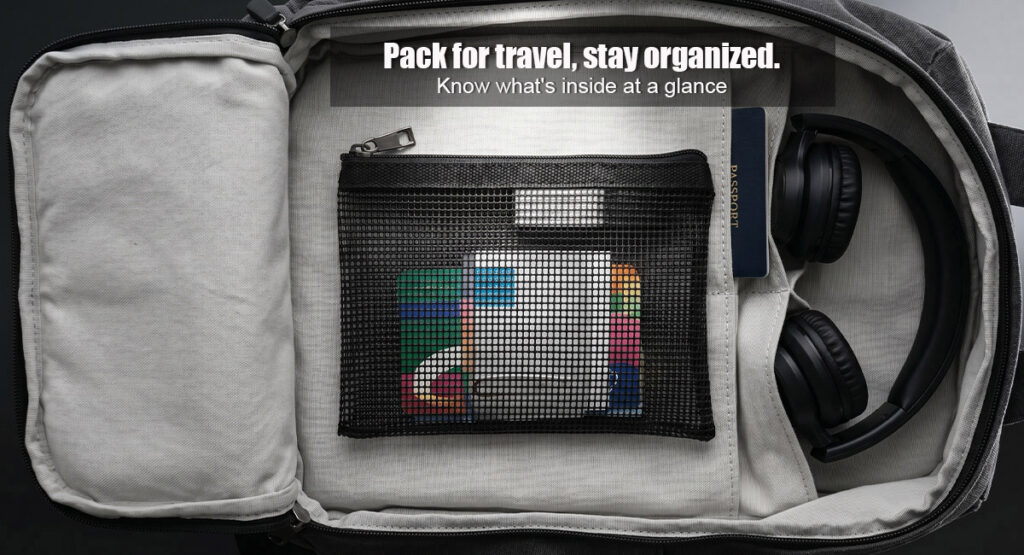
Even in the digital age, it is wise to carry printed copies of your passport, visa, travel insurance, and hotel reservations in a mesh bag. If your phone dies or is lost, you will still have proof of your identity and bookings.
Luggage Tags and Padlocks
You would be surprised how many bags on a baggage carousel look identical. A distinctive luggage tag makes yours instantly recognizable. A padlock is also useful for securing your luggage, especially if you are storing your bag at a hostel or between hotel check-out and a late flight home.
Pre-Flight Preparation: Setting Yourself Up for Success
The best way to survive a long-haul flight is to start preparing before you even get to the airport.
Choose the Right Seat
If you want to sleep, a window seat is your best bet. It provides a solid surface to lean against and gives you control over the window shade, allowing you to create a darker environment. If you are tall or need to move around frequently, an aisle seat is better. Exit row or bulkhead seats offer more legroom.
Start Adjusting Your Sleep Schedule
If you are flying east, try going to bed an hour earlier each night for a few days before your trip. If you are flying west, go to bed an hour later. This helps reset your internal clock before you even board the plane. Most adults need seven to nine hours of sleep a night, so do not try to bank sleep by depriving yourself before the flight. I do not recommend flying on a sleep debt, which will increase your stress, fatigue and grogginess during travel, says Dr. Skiba.
Eat Light Before Boarding
Instead of waiting to eat the meal served on the plane, eat a light meal at the airport before you board. It is best to eat a couple of hours before the flight so you have time to digest before trying to sleep, says Dr. Skiba. Eat something low in salt to prevent water retention, avoid alcohol and drink water to stay hydrated.
Download Entertainment and Offline Maps
Before you leave home, download movies, podcasts, and music to your devices. Also, download offline maps of your destination so you can navigate even without an internet connection. This is especially important if you are not planning to buy an international SIM card or eSIM.
On-Board Strategies: Making the Most of Your Flight
Once you are on the plane, a few simple strategies can make the journey much more comfortable.
Move Every 90 Minutes
Prolonged immobility is one of the biggest health risks of long-haul flights. Stand up and walk around the cabin every one to two hours to promote blood circulation in your legs. If you cannot get up, perform seated leg exercises by tightening and releasing your leg muscles. Compression socks are also highly recommended for flights of 8 to 10 hours or longer.
Buckle Your Seatbelt Over Your Blanket
If you are trying to sleep, buckle your seatbelt over your blanket or layers of clothing. Flight attendants may wake you up to check if your seatbelt is fastened if they cannot see it. This simple trick prevents unnecessary interruptions during turbulence checks.
Time Your Sleep with Your Destination
Set your watch to your destination’s time zone as soon as you board. If it is nighttime at your destination, try to sleep on the plane. If it is daytime, try to stay awake. This psychological trick helps you adjust mentally and physically to new sleep timing. Avoid sleeping unless it matches the bedtime of your destination.
Avoid Alcohol and Caffeine
It can be tempting to have an alcoholic drink to celebrate the start of your holiday or to calm pre-flight nerves. However, alcohol actually lowers the quality of your sleep by reducing the time you spend in the REM stage, which can make you feel more tired when you wake up. Caffeine can increase urine output and interfere with sleep patterns. Stick to water and herbal tea instead.
Arrival Strategies: Beating Jet Lag on the Ground
Getting to your destination better rested is only half the battle. Once you have arrived, your body still needs to adjust to the new local time.
Get Outside in Daylight
Natural light is the most powerful tool for resetting your circadian rhythm. Once you arrive, spend time outdoors in the sunshine. This helps signal to your body that it is daytime and time to be awake. If you flew east, try to avoid bright light in the morning and get light in the afternoon. If you flew west, stay awake during daylight and try to sleep after dark.
Stay Up Until a Normal Local Bedtime
Resist the urge to take a long nap upon arrival, even if you are exhausted. If you arrive at 4 p.m., do your best to stay awake until your usual bedtime. Going to bed at 4 p.m. will only restart the jet lag problem. If you must nap, keep it short—20 to 30 minutes—to restore alertness without eating into your night’s sleep.
Eat on Local Time
Even if you are not hungry, try to eat your meals at the local meal times. Meal timing is part of how your body regulates its internal clock. This simple habit can help you adjust to the new time zone more quickly.

Conclusion: The Golden Rule of Long-Haul Travel
If there is one golden rule of long-haul travel, it is this: preparation is everything. The travelers who arrive at their destination feeling refreshed and ready to explore are not necessarily the ones who got lucky with an empty seat next to them or a smooth flight. They are the ones who packed an eye mask, brought a reusable water bottle, wore compression socks, and made a conscious effort to adjust their sleep schedule before they even left home.
Your carry-on is your portable sanctuary for the duration of the flight. Pack it with intention. Bring the items that will help you sleep, stay hydrated, and stay healthy. Do not forget the small things—the pen, the toothbrush, the snacks—that make a big difference in how you feel. And remember that even if you do not sleep perfectly, resting with your eyes closed and your headphones on is still infinitely better than watching three movies and eating a bag of crisps.
Long-haul flights will never be exactly comfortable, but with the right essentials for travel, they can be entirely manageable. Safe travels, and may your next long-haul journey be your most comfortable one yet. Trunker travel essentials will help, too.