Long-term travel—generally defined as any journey lasting three months or more—is not simply a longer holiday. The moment a trip crosses the 90-day threshold, the rules change: tourist visas expire, standard health coverage falls short, and the logistical scaffolding of daily life at home must be deliberately dismantled or delegated. The difference between an enriching extended journey and an expensive organizational crisis is almost entirely determined before departure. Preparation is not about over-planning the route. It is about building a robust framework for finances, insurance, bureaucracy, and health so that the journey itself can remain flexible.
This Travel guide breaks the process into three disciplined phases: When to act, What to secure, and How to execute. Ideally, the work begins six to twelve months before the first flight, moving from big-picture structural decisions to granular packing in a deliberate sequence. A well-structured Travel guide should be followed as a sequence, not treated as a checklist.
Phase One: When to Act — The Six-to-Twelve-Month Timeline
The single most common error in long-term travel preparation is compression: trying to accomplish in four weeks what structurally requires six months. Certain bureaucratic and medical processes operate on their own clocks, and no amount of urgency can accelerate a passport renewal, a vaccination series, or a visa appointment. The timeline below distributes the workload across the preparation window so that each task receives the attention it requires.
Six to Twelve Months Out: Structural Decisions and Financial Architecture
The earliest phase is not about buying gear; it is about restructuring the life you are temporarily leaving behind. The three largest structural questions are housing, employment, and cash flow. For housing, the options are to terminate a lease, which offers maximum savings but creates a return-housing challenge; to sublet with written landlord permission, which keeps rent covered but requires management; or to keep the property empty, which is expensive but psychologically secure. On the employment front, a sabbatical is almost always preferable to resignation if the employer offers one, as it preserves the position and often continues social insurance contributions.
Financially, this is the window to build a dedicated travel fund and an emergency reserve. A practical rule is to keep an accessible reserve of at least three to five thousand euros, or the local equivalent, separate from the travel budget, and to carry at least two credit cards from different providers to avoid single-point payment failures. This is also the moment to grant a trusted person power of attorney for banking and general affairs—a mundane step that becomes invaluable when a signature is required from ten time zones away.
Six to Nine Months Out: The Medical and Bureaucratic Clock
Vaccination planning belongs at the six-to-nine-month mark because some series—particularly for Japanese encephalitis or rabies—require multiple doses spaced weeks apart. A travel health specialist should be consulted at least three months before departure, and the routine vaccination record should be updated, including influenza and COVID-19. This is also the window to secure or renew the passport. The near-universal six-month validity rule means that many countries require a passport to remain valid for six months beyond the planned date of return; a passport that is technically unexpired but falls inside that window can result in denied boarding or refused entry. Passport renewal can take months, so you have take care of that early.
Three to Six Months Out: Documents, Visas, and Insurance
With the passport in hand or in process, visa research begins in earnest. This is not a simple matter of checking whether a destination is visa-free. Many countries now require electronic travel authorizations, or ETAs, that are separate from visas and are not always flagged by airlines at the booking stage. Failure to obtain one can result in denied check-in. Each destination on a multi-country itinerary requires individual verification of visa type, duration, and entry requirements.
Travel insurance must be purchased in this window, and it must be a long-term policy rather than a standard short-trip product. Long-term travel insurance is designed for journeys beyond three months and should include medical expenses, emergency medical evacuation, trip interruption, and coverage for multiple destinations. Medical evacuation coverage is the non-negotiable core: a policy that caps evacuation at a nominal amount is not meaningful protection in regions where air ambulance transport can cost tens of thousands of dollars. This is also the time to acquire the travel accessories that require deliberate selection rather than last-minute purchase—particularly a quality passport holder and a document organization system.
One to Three Months Out: Home Logistics and Detailed Planning
As departure approaches, the home base must be wound down. This includes giving notice on a lease, arranging storage for furniture and belongings, setting up mail forwarding or a digital mailbox service, and switching recurring bills to autopay or online management. A virtual mailbox—a service that receives physical mail at a real street address and scans it digitally—has become a quietly indispensable piece of long-term travel infrastructure for travelers who need a stable address for banking, tax, and government correspondence.
This is also the moment for a detailed route plan, though the guiding principle is counterintuitive: the longer the trip, the less the route should be over-planned, while finances, insurance, and bureaucracy should be prepared with correspondingly greater rigor. Booking the first destination and perhaps the first month of accommodation is sufficient; excessive pre-booking reduces the flexibility that makes long-term travel rewarding.
Two to Four Weeks Out: Packing and Final Checks
Packing should begin two to four weeks before departure, not the night before. A practice pack reveals what is missing, what is redundant, and whether the chosen luggage system actually works under real-world constraints. This is also the window to leave copies of the passport, insurance certificate, itinerary, and emergency contacts with a trusted family member or friend, and to ensure that digital copies of all critical documents are stored securely in the cloud. Prescriptions should be refilled before any home health coverage lapses, and a letter of necessity from the prescribing provider should be obtained for any medication that might be questioned at a border.
Phase Two: What to Secure — The Non-Negotiable Foundations
Documents and the Passport Holder System
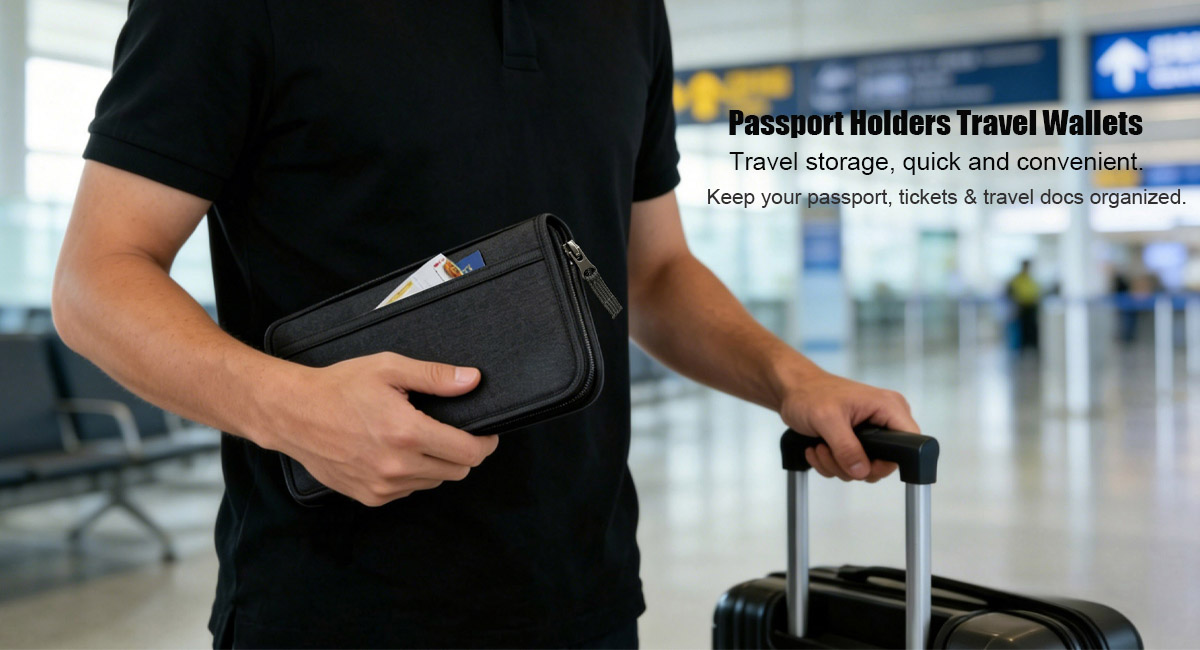
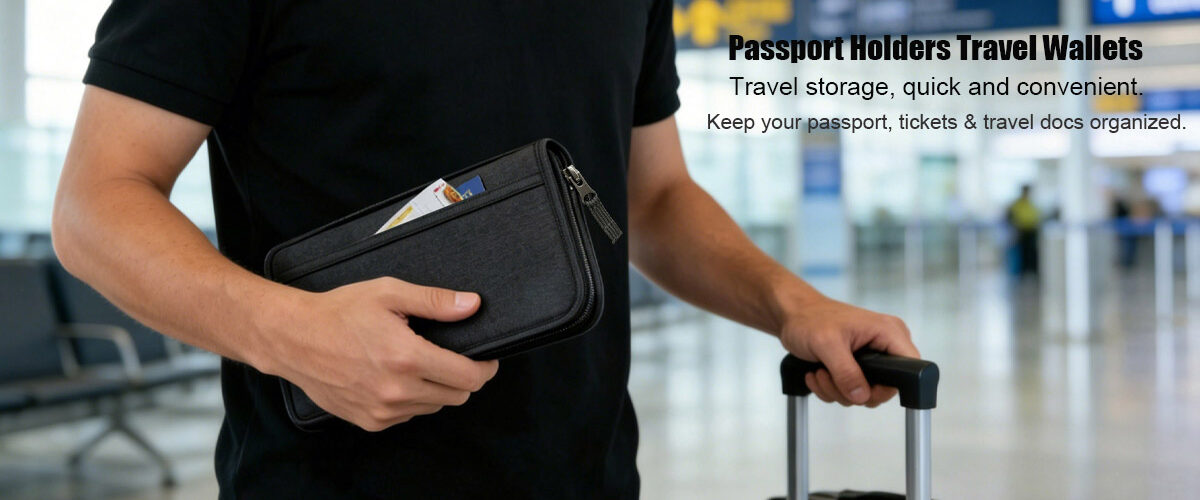
The document holder system for long-term travel should be built around redundancy. The original passport, visas, and insurance cards travel on the person; physical photocopies travel in a separate bag; and encrypted digital copies live in the cloud. A passport holder is not a decorative accessory but a functional tool in this system. The best options combine RFID-blocking material—which prevents unauthorized scanning of contactless passport chips and credit cards—with organized compartments for boarding passes, a secondary ID, and emergency cash. For travelers carrying multiple passports or family documents, a family passport holder with a strap and sufficient capacity keeps everything in one auditable location rather than scattered across bags. A well-designed passport holder also reduces the risk of a document being misplaced during a border check. The passport holder should be the single physical locus of critical documents, so that in a moment of stress—a border query, a hotel check-in, a police stop—nothing needs to be searched for.

Health: Beyond Vaccinations
Long-term travelers face a risk profile that short-term tourists do not. The risk of illness or injury increases with duration, and access to routine and emergency care at the destination must be planned in advance rather than improvised. Before departure, a complete medical and dental examination is advisable, and travelers with chronic conditions should carry a sufficient supply of routine medications from home, as the quality of medications in some regions can be substandard or falsified.
A travel first-aid kit for extended journeys should be more comprehensive than a weekend kit: pain and fever medication, cold remedies, bandages, tweezers, scissors, hand disinfectant, and—depending on the destination—malaria prophylaxis, specific antibiotics, and water purification tablets. A comprehensive first-aid kit belongs in your travel essentials for extended journeys, especially when remote regions are on the itinerary. For travelers heading to remote or high-altitude regions, the kit should also include items specific to those environments.
Insurance: The Evacuation Clause
Standard travel insurance is built for trips measured in weeks, not months. Long-term policies should be evaluated on three dimensions: medical expense coverage, including hospital stays and prescription drugs; emergency medical evacuation, with a limit high enough to be meaningful; and trip interruption protection for non-refundable expenses. Some long-term policies also allow short returns home before resuming travel, which is useful for travelers who need to attend to family or business matters mid-journey. The critical question to ask of any policy is not what it covers but what it does not cover, and whether the evacuation limit is realistic for the regions you are visiting.
Finances: The Buffer and the Burn Rate
A long-term travel budget must be constructed from the bottom up, not from advertised package prices. The realistic approach is to research the average daily cost at each destination—including meals, local transport, attractions, and local taxes—and multiply by the number of days, then add a 25 percent buffer for unexpected expenses. A practical Travel guide should list visas, insurance, vaccinations, and data plans as separate line items rather than absorbing them into daily spending.
The financial architecture should separate the travel budget from the emergency reserve, and the daily burn rate should be reviewed weekly rather than monthly, so that overspending in one segment can be corrected before it compounds. Slow travel—staying in one place for a month rather than moving weekly—is the single most effective budget strategy, reducing transport costs by 30 to 50 percent and allowing access to weekly accommodation rates and local food markets.
Phase Three: How to Execute — Gear, Packing, and Mindset
The Travel Essentials That Earn Their Weight
The longer the journey, the more ruthless the packing must be. Every item must justify its weight and volume. The travel essentials for extended journeys fall into four functional categories: carry, power, organize, and repair.
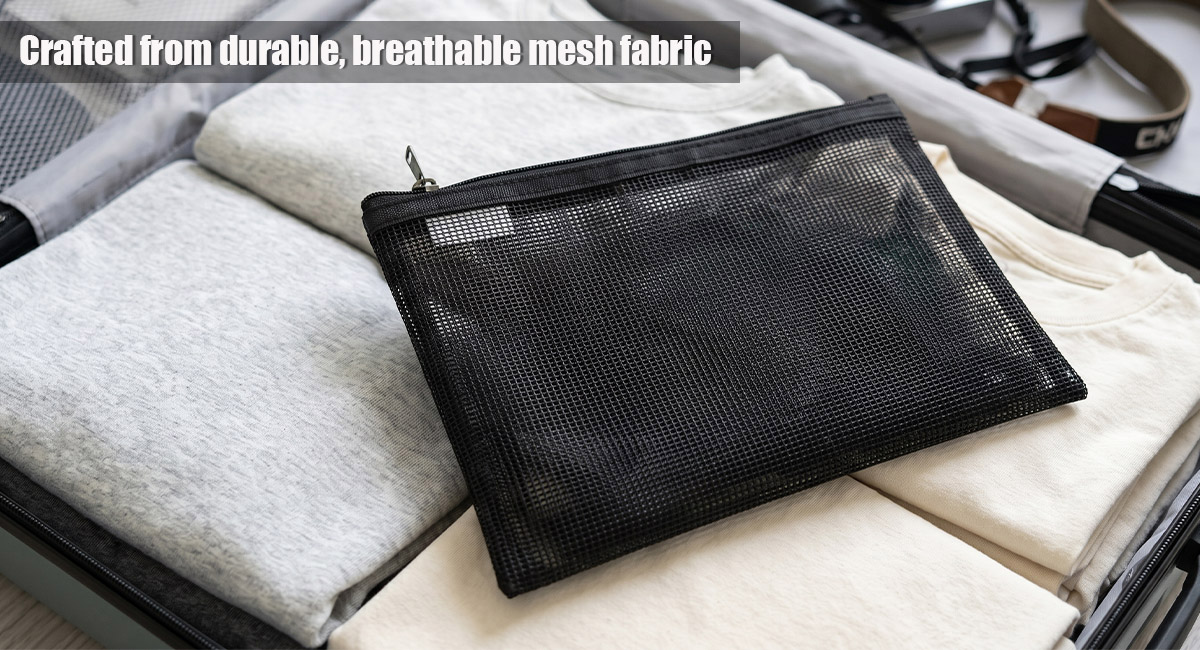
For carry, a high-capacity backpack with a padded laptop compartment and a trolley sleeve serves as the personal item that functions as an office, bathroom cabinet, and kitchen in one; a durable carry-on suitcase with a lifetime warranty is a worthwhile investment because luggage failure on the road is disproportionately disruptive. For power, a 20,000mAh power bank is the practical minimum, and a universal travel adapter with multiple USB ports prevents the cascade of device failures that incompatible plugs can cause. For organization, compression packing cubes and a multi-functional toiletry bag transform a chaotic suitcase into a system that can be unpacked and repacked in minutes. For repair and contingency, a packable tote bag, a laundry kit, and a small first-aid kit address the everyday failures that are inevitable over months of travel.
For travelers who work remotely or rely on connectivity, the gear list expands to include noise-cancelling headphones, a laptop stand for ergonomic posture, an external keyboard and mouse, and connectivity tools such as an eSIM app, a SIM ejector tool, and a VPN for secure public Wi-Fi. Bluetooth trackers in luggage and a passport holder with RFID protection round out the security layer.

The Practice Pack and the Capsule Wardrobe
A practice pack two to four weeks before departure is not optional. It reveals whether the chosen bag can be carried comfortably for the distances actually expected, whether the clothing system works for the climates on the itinerary, and whether the toiletries fit within airline liquid limits. Review your travel essentials against the climate and connectivity needs of each destination before finalizing the pack. The capsule wardrobe principle—a small set of interchangeable, quick-drying, layerable pieces in a coherent color palette—is the foundation of long-term packing. The 5-4-3-2-1 principle, meaning five tops, four bottoms, three dresses or layering pieces, two pairs of shoes, and one hat or accessory, provides a workable starting ratio for carry-on-only travel.
The Mindset of Preparation
Long-term travel preparation is ultimately an exercise in converting uncertainty into manageable risk. The traveler who has renewed the passport six months early, obtained the ETA that the airline did not mention, secured an insurance policy with a meaningful evacuation limit, and packed a passport holder that keeps every critical document in one place is not over-prepared—they are prepared for the ordinary unpredictability of moving through the world for months at a time. A single passport holder cannot replace a full document system, but it is the physical anchor that keeps that system usable under pressure. The route can remain open, the itinerary can change, and the journey can be shaped by opportunity rather than constrained by oversight. That is the point of the preparation: not to control the journey, but to make it possible to let the journey unfold.
Frequently Asked Questions
Start six to twelve months before departure. Certain bureaucratic and medical processes operate on fixed timelines that cannot be compressed. Passport renewal can take months, vaccination series may require multiple doses spaced weeks apart, and visa appointments are outside your control. The article recommends a phased timeline: six to twelve months out for structural decisions and financial architecture, six to nine months for the medical and bureaucratic clock, three to six months for documents, visas, and insurance, one to three months for home logistics, and two to four weeks for packing and final checks.
Compression. Trying to accomplish in four weeks what structurally requires six months is the single most common error. The article is explicit that no amount of urgency can accelerate a passport renewal, a vaccination series, or a visa appointment. A well-structured Travel guide should be followed as a sequence, not treated as a checklist, because the tasks have dependencies: the passport must be in hand before visa research is meaningful, and insurance must be secured before departure.
Many countries require a passport to remain valid for six months beyond the planned date of return. A passport that is technically unexpired but falls inside that window can result in denied boarding or refused entry. Because passport renewal can take months, this must be initiated early—ideally in the six-to-nine-month window. This is one of the most consequential items in the travel essentials for any long-term journey, and it cannot be corrected at the airport.
Evaluate policies on three dimensions: medical expense coverage, including hospital stays and prescription drugs; emergency medical evacuation, with a limit high enough to be meaningful; and trip interruption protection for non-refundable expenses. Medical evacuation coverage is the non-negotiable core. A policy that caps evacuation at a nominal amount is not meaningful protection in regions where air ambulance transport can cost tens of thousands of dollars. Some long-term policies also allow short returns home before resuming travel.
A passport holder is the single physical locus of critical documents. The best options combine RFID-blocking material—which prevents unauthorized scanning of contactless passport chips and credit cards—with organized compartments for boarding passes, a secondary ID, and emergency cash. For travelers carrying multiple passports or family documents, a family passport holder with a strap and sufficient capacity keeps everything in one auditable location rather than scattered across bags. In a moment of stress—a border query, a hotel check-in, a police stop—nothing needs to be searched for.
A practical rule is to keep an accessible reserve of at least three to five thousand euros, or the local equivalent, separate from the travel budget. In addition, carry at least two credit cards from different providers to avoid single-point payment failures. The financial architecture should separate the travel budget from the emergency reserve, and the daily burn rate should be reviewed weekly rather than monthly, so that overspending in one segment can be corrected before it compounds.
Construct the budget from the bottom up, not from advertised package prices. Research the average daily cost at each destination—including meals, local transport, attractions, and local taxes—multiply by the number of days, then add a 25 percent buffer for unexpected expenses. A practical Travel guide should list visas, insurance, vaccinations, and data plans as separate line items rather than absorbing them into daily spending. Slow travel—staying in one place for a month rather than moving weekly—is the single most effective budget strategy, reducing transport costs by 30 to 50 percent.
The travel essentials for extended journeys fall into four functional categories: carry, power, organize, and repair. For carry, a high-capacity backpack with a padded laptop compartment and a trolley sleeve, plus a durable carry-on suitcase. For power, a 20,000mAh power bank and a universal travel adapter with multiple USB ports. For organization, compression packing cubes and a multi-functional toiletry bag. For repair and contingency, a packable tote bag, a laundry kit, and a small first-aid kit. For remote workers, add noise-cancelling headphones, a laptop stand, and connectivity tools such as an eSIM app and a VPN.
The guiding principle is counterintuitive: the longer the trip, the less the route should be over-planned, while finances, insurance, and bureaucracy should be prepared with correspondingly greater rigor. Booking the first destination and perhaps the first month of accommodation is sufficient. Excessive pre-booking reduces the flexibility that makes long-term travel rewarding. The point of preparation is not to control the journey but to make it possible to let the journey unfold.